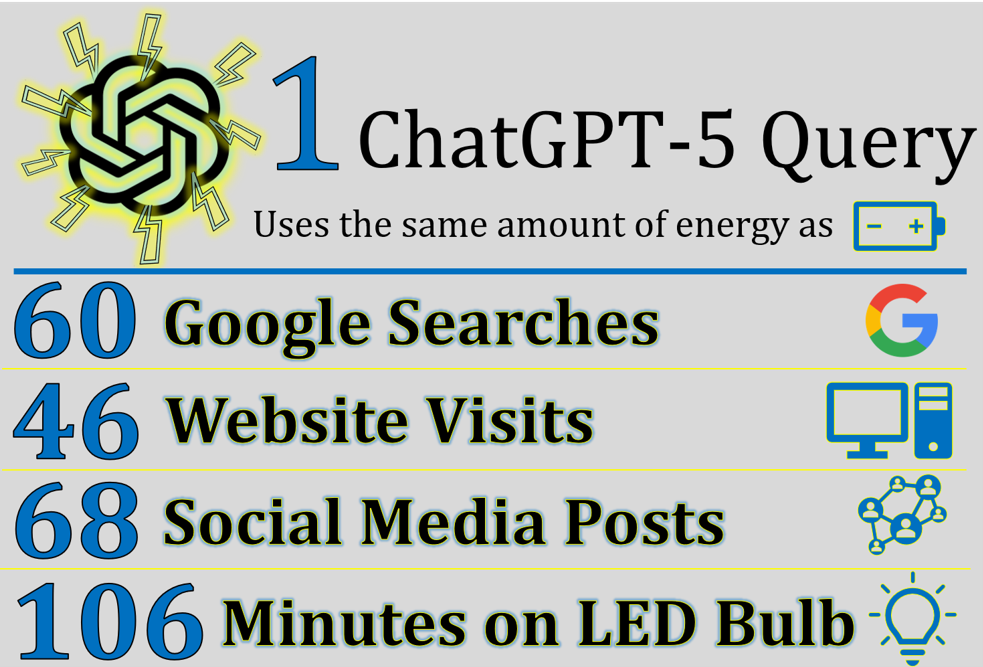
New AI data centers require more energy, produce more emissions, require more freshwater, generate more noise and need more land compared to that of a traditional data center.
These factors have contributed to a growing sentiment against AI data centers, but in doing so, it is critical to understand the quantifiable difference between AI data centers and their traditional counterparts.
We quantify this difference and explain how the growth of AI data centers is occurring at a hasty rate that is prioritizing technology and profits over the well-being of people.


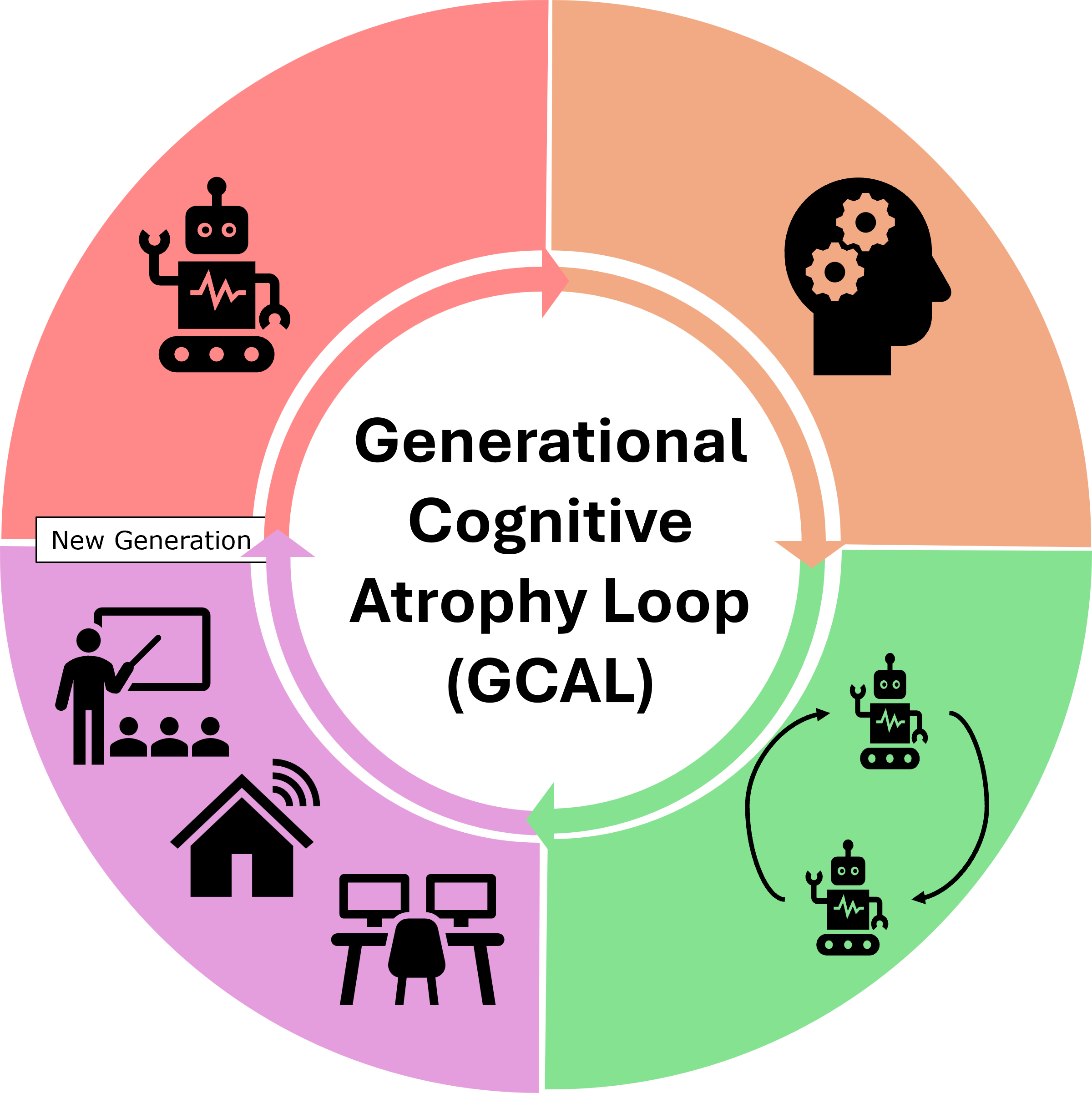
Given the relatively infant nature of GenAI in society, the impact that GenAI has on adolescent education is mostly unknown.
We do know that offloading excessive amounts of deep thinking tasks can lead to cognitive decline.
GenAI is the ultimate tool for offloading cognitive tasks, particularly for grade-school questions, and the expeditious nature of GenAI makes this a desirable route for minors to take.
We propose that K-12 education should be the place where minors learn deep thinking skills and that the current state of GenAI is encouraging far too much cognitive offloading for adolescents.
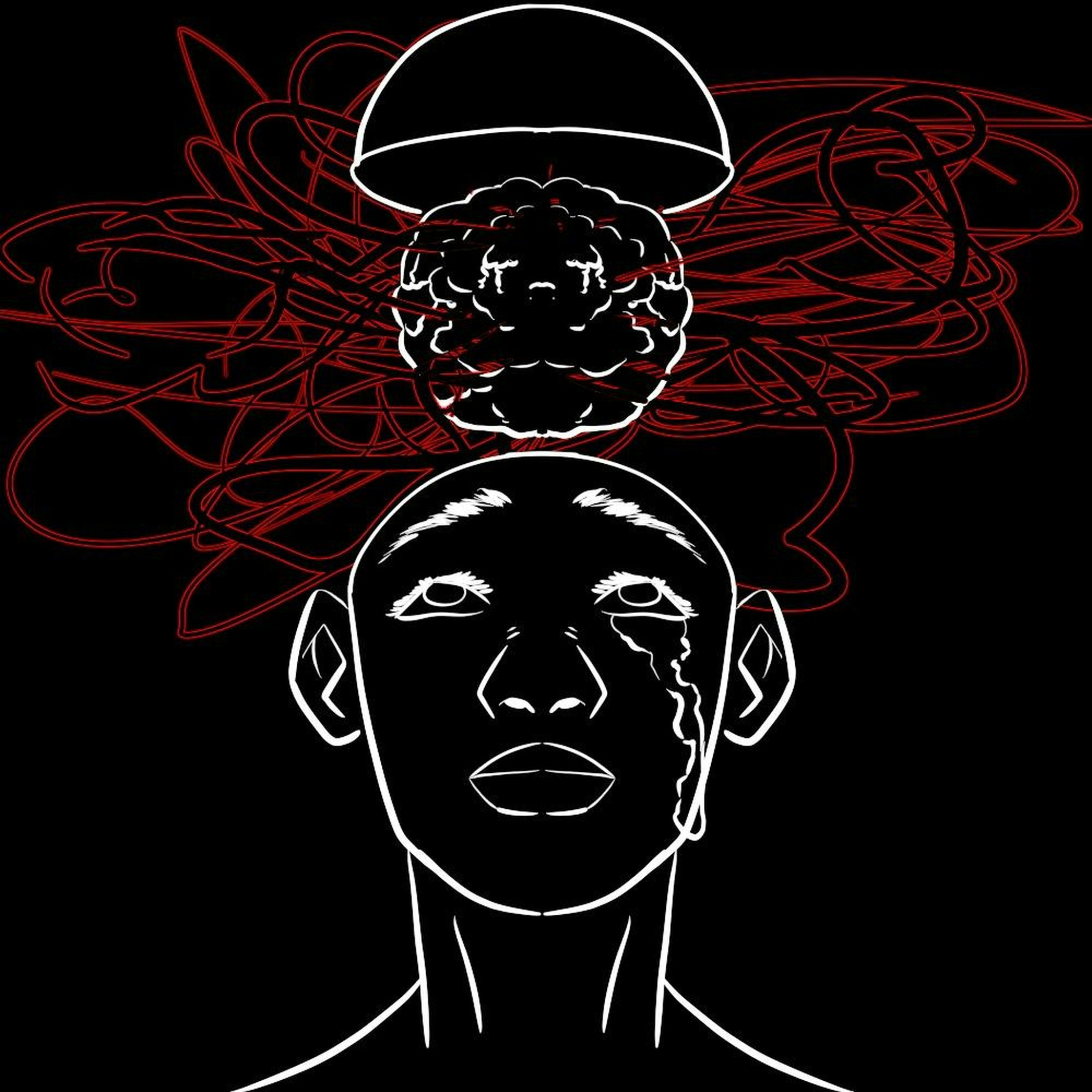
AI psychosis is the onset of psychosis-like symptoms, such as delusions, paranoia, hallucinations, or disassociation which are provoked or worsened by interactions with AI chatbots.
As AI has become more prevalent in society, so has AI psychosis, and the behavior of AI models is to blame.
AI has encouraged self-harm, paranoia, and messianic delusions leading to hospitalization or even death in some AI users.
This article covers why the behavior of AI can lead to psychosis and explores some individual case studies of AI psychosis.